By The Denise Ramey Team
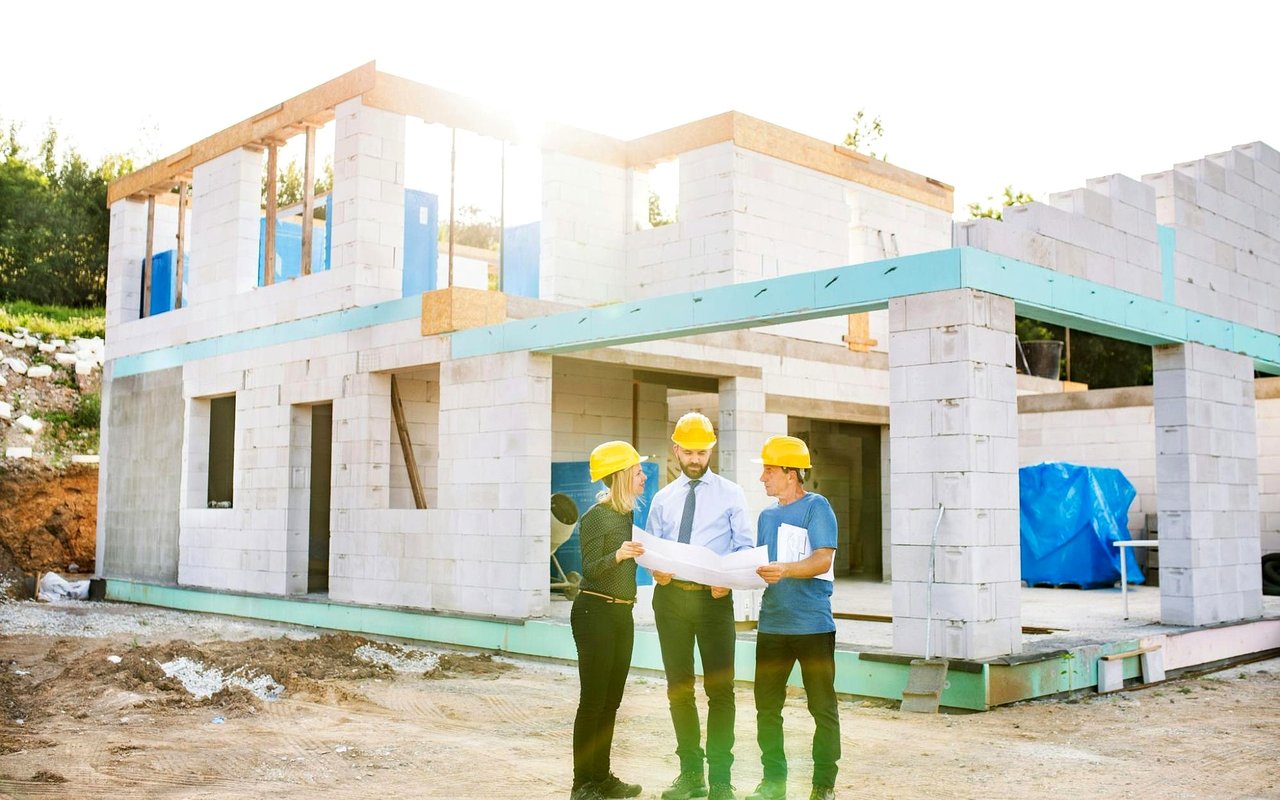
Building a custom home in the Charlottesville area is one of the most rewarding paths to ownership available in this market — and one of the most complex. The buyers who navigate it well are the ones who understood what they were getting into before they broke ground: the land acquisition process, the permit timelines, the contractor relationships, and the decisions that compound early and cost significantly later. Building a home in Charlottesville, Virginia, is entirely achievable with the right preparation — and genuinely difficult without it.
Key Takeaways
- Land acquisition and due diligence are the most consequential steps in the custom build process
- Albemarle County's permitting and zoning requirements shape what's possible on any given parcel
- Builder selection and contract structure determine both the quality and the cost of the finished home
- Timeline and budget management require realistic expectations set well before construction begins
Start with the Land — and Do Your Homework
The land you build on determines almost everything that follows. In Albemarle County and the Charlottesville area, where rural parcels, historic districts, and conservation easements are common, due diligence on a potential building site requires more investigation than buyers from other markets typically anticipate.
What land due diligence requires in the Charlottesville area
- Zoning and by-right use verification: Albemarle County's rural area zoning places specific restrictions on lot division, accessory structures, and residential use — confirming what's permitted on a parcel before purchase is essential
- Soil evaluation for septic suitability: Most Albemarle County rural properties rely on private septic systems — a Virginia Department of Health soil evaluation confirming septic suitability should happen before any offer is finalised
- Well yield and water quality testing: Properties without municipal water access require well drilling; understanding what adjacent properties yield and commissioning a water quality test before purchase protects against a significant post-closing expense
- Conservation easement and deed restriction review: Albemarle County has a significant conservation easement program — parcels under easement may have restrictions on building location, structure size, and land use that directly affect the home you can build
- Access and road maintenance agreements: Rural parcels frequently share private road access with neighbouring properties — reviewing maintenance agreements and road condition before purchase prevents ongoing disputes and unexpected costs
Navigate Permits and Local Requirements
Building in Albemarle County and the City of Charlottesville involves permitting processes that operate on their own timeline, and underestimating that timeline is one of the most common and costly mistakes new builders make in this market.
What the permitting process looks like in the Charlottesville area
- Building permits through Albemarle County or City of Charlottesville: The two jurisdictions have separate processes and distinct timelines — rural Albemarle County and city parcels require different applications, different reviewers, and different documentation
- Architectural review in historic districts: Properties within or adjacent to Charlottesville's historic districts — particularly in the area surrounding UVA and the Rugby Road corridor — are subject to architectural review that affects exterior design, materials, and massing
- Stormwater and erosion control plans: Virginia's stormwater management requirements apply to new construction — a site plan including these elements is required before permits are issued and adds time and cost to the pre-construction phase
- Utility connection and extension costs: In areas without existing utility infrastructure, the cost of extending water, sewer, and electric service to a building site can be substantial — investigating connection costs before land purchase prevents budget surprises that affect the entire project
Choose the Right Builder for Charlottesville's Market
Builder selection is the decision that most directly affects both the quality and the cost of the finished home. Charlottesville's custom home market has a range of builders from large regional firms to small local craftsmen, and matching the right builder to the right project requires knowing the difference.
What to evaluate before hiring a custom home builder
- Local project portfolio and references: A builder who has completed comparable projects in Albemarle County or the City of Charlottesville understands the local subcontractor relationships, permit timelines, and site conditions that out-of-area builders may not
- Contract structure and allowance transparency: Custom home contracts vary significantly in how they handle allowances, change orders, and cost overruns — a transparent, detailed contract protects the buyer; a vague one benefits the builder
- Subcontractor relationships and availability: In Charlottesville's active construction market, the quality of a builder's subcontractor network is as important as their own capabilities — ask specifically about who handles framing, electrical, plumbing, and finish work
- Communication and project management approach: A custom build requires months of active decision-making — a builder whose communication style and project management process aligns with yours prevents the misalignments that generate change orders and delays
- Financial stability and insurance: Verify that any builder you engage carries appropriate liability insurance and workers' compensation coverage and has the financial stability to complete a multi-month project without cash flow problems
Frequently Asked Questions
How long does the custom build process typically take in Albemarle County?
From land purchase to certificate of occupancy, a realistic timeline runs 18 to 24 months for a custom home in the Charlottesville area — sometimes longer for complex sites, historic district projects, or during periods of high construction activity. Buyers who plan for 12 months and experience normal delays find themselves in genuinely difficult situations; conservative timeline planning from the start produces far less stress.
Is it less expensive to build or buy an existing home in Charlottesville right now?
In most cases, buying an existing home in Charlottesville's established neighborhoods is less expensive per square foot than new custom construction. The value proposition for building is customisation, rural land, and the ability to create exactly what you want rather than compromise on what exists. We help buyers think through this trade-off honestly based on their specific priorities and budget.
Do we need a real estate agent to buy land for a custom build?
Having local representation during land acquisition is one of the most valuable investments a prospective builder can make — particularly in Albemarle County, where the due diligence process is complex and the consequences of a poorly evaluated land purchase are difficult to reverse. We've guided numerous buyers through land acquisition in this market and know what questions to ask before any offer is written.
Build Your Charlottesville Home with The Denise Ramey Team
A custom build in the Charlottesville area done well is one of the most satisfying real estate outcomes our clients experience. Getting there requires guidance from someone who knows the land, the permits, and the builder relationships specific to this market.
Reach out to us at The Denise Ramey Team before you start your land search. We'll make sure every step of the process is approached with the preparation it deserves.
Reach out to us at The Denise Ramey Team before you start your land search. We'll make sure every step of the process is approached with the preparation it deserves.