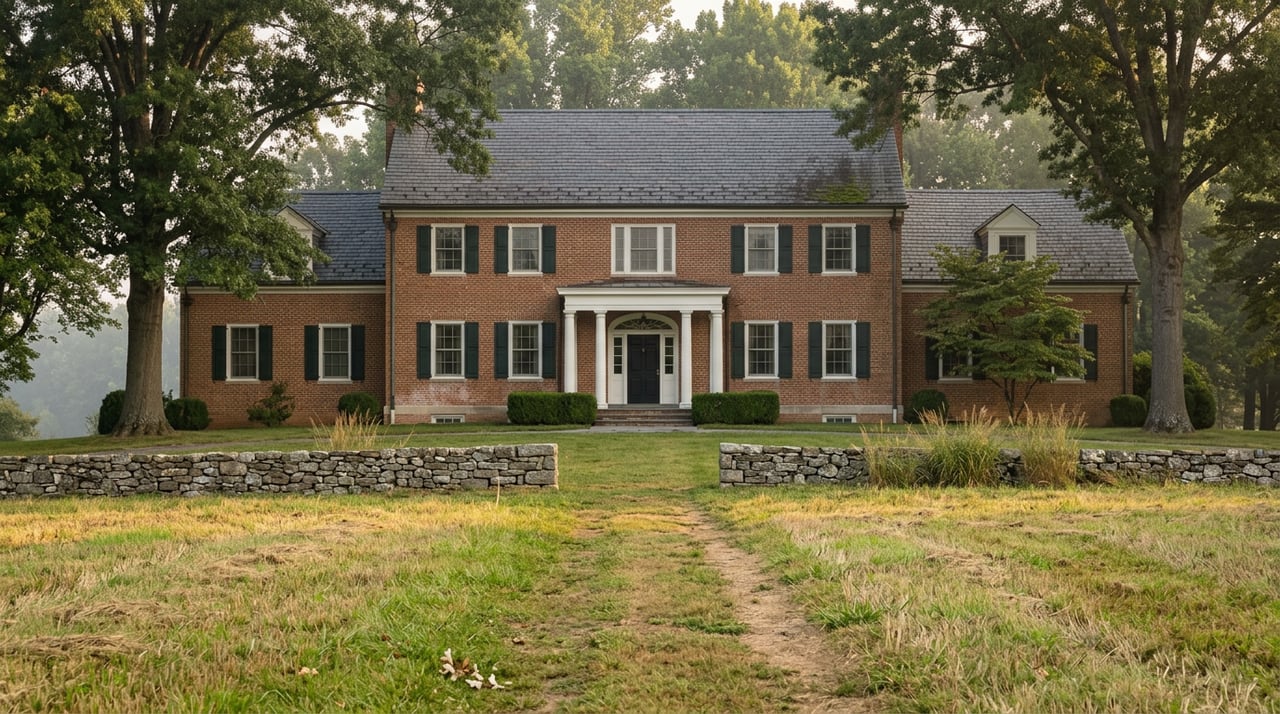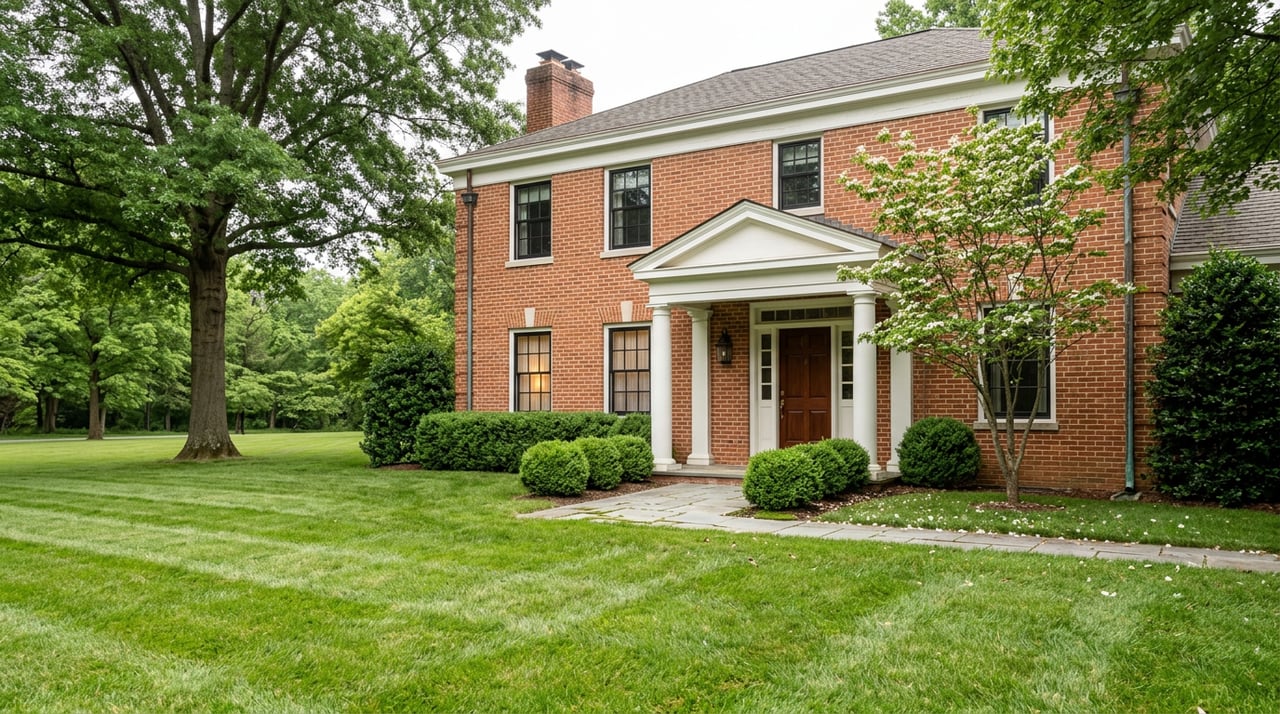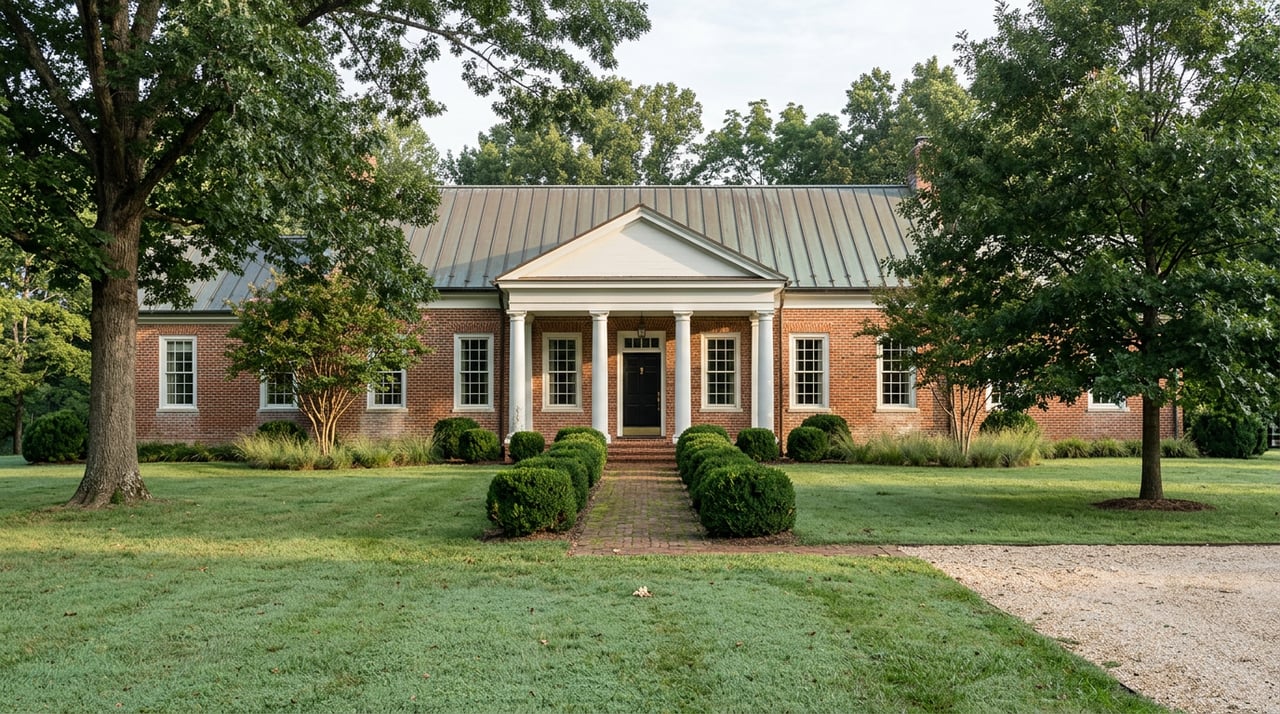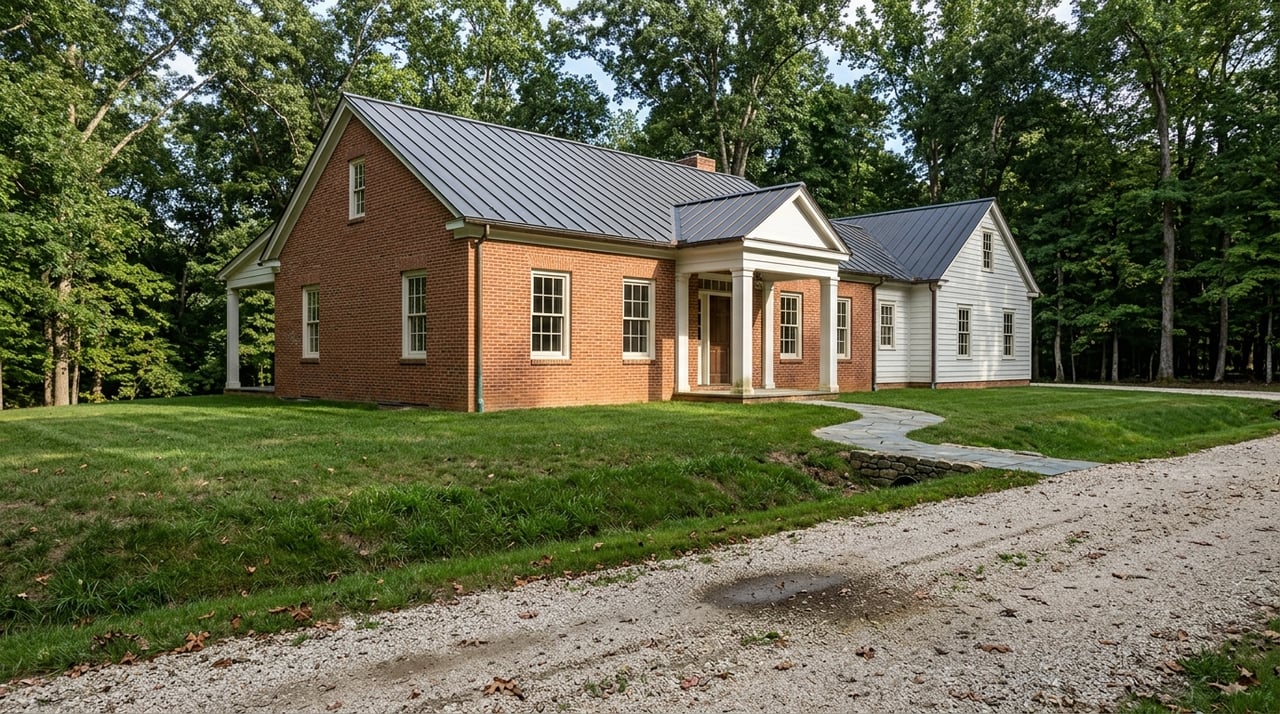
Wondering if buying in Free Union is as simple as finding a pretty house or a scenic piece of land and making an offer? In this part of Albemarle County, the answer is usually no, and that is not a bad thing. Free Union can offer beautiful rural properties, privacy, and room to breathe, but it also calls for careful due diligence so you understand what you are really buying. Let’s walk through the biggest things to know before you buy.
Why Free Union buying is different
Free Union sits within Albemarle County’s Rural Area, where county planning is designed to preserve agriculture, forestry, conservation, and natural resources while directing most growth into Development Areas. Albemarle County says the Rural Area covers about 95% of the county, which helps explain why rural properties often come with a different set of questions than homes in more built-out areas.
That difference affects how you evaluate a property. In Free Union, the land itself, access, utilities, and long-term maintenance can matter just as much as the house, the views, or the acreage. Albemarle’s zoning ordinance also notes that rural residents should expect a lower level of service delivery than in designated growth areas.
Start with the parcel, not just the home
If you are buying land or a home on acreage, it is smart to look beyond the listing details early. A property may appear straightforward at first glance, but future plans for building, adding structures, or dividing land can depend on factors that are not obvious from photos or a drive-by.
A good first step is confirming what the parcel can realistically support today. That includes development rights, conservation restrictions, stream buffers, access, and septic feasibility. Each one can change your plans and your budget.
Check development rights carefully
If future subdivision matters to you, do not assume it will be possible. Albemarle County says Rural Area parcels were assigned development rights when the Rural Areas district was created in 1980, and the county offers informal development-rights assessments as well as formal letters of determination when the record is unclear.
This can be important if you hope to create an additional lot later or want flexibility for long-term planning. Before you buy, make sure you understand whether development rights remain with the parcel and whether your goals align with current county rules.
Look for conservation easements
Conservation easements are another major issue for rural buyers. Albemarle County describes them as voluntary perpetual legal agreements that typically limit development and prohibit certain uses, even while allowing owners to continue living on and managing the land for farming, forestry, or wildlife habitat.
The key word is perpetual. Once a conservation easement is recorded, it cannot be undone. If a property is under easement, you will want to understand exactly what is allowed and what is restricted before moving forward.
Use GIS as a starting point
County GIS tools can help you screen a property for things like floodplain, floodway, and conservation-easement layers. They can also help you spot streams, wetlands, and other features that may affect where you can build or expand.
That said, Albemarle County is clear that GIS should not replace a survey or original source documents. Think of GIS as an early research tool, not the final answer.
Understand buffers and natural constraints
Rural land often has environmental constraints that directly affect usable acreage. In Albemarle’s Rural Area, riparian-buffer rules require a 100-foot buffer on both sides of perennial or intermittent streams and contiguous wetlands, or the limits of the 100-year floodplain, whichever is wider. Land next to public water-supply reservoirs has a 200-foot buffer.
For buyers, this matters because a large parcel may have less practical building area than you expect. If you are planning a home site, guest house, barn, driveway, or future division, these constraints should be reviewed early.
Access can make or break a property
In Free Union, road access is not a small detail. Albemarle County notes that county roads are maintained by VDOT, and work on state highways, including installing a private entrance, requires a land-use permit.
VDOT’s guidance says private entrances must meet access-management standards and may serve no more than two private residences, agricultural field access, or certain low-trip utility uses. If a parcel does not already have suitable access, or if you want to create a new entrance, that can affect your plans, cost, and timing.
Ask practical access questions
Before you buy, it helps to get clear answers to questions like these:
- Is there existing legal and physical access?
- Is the current driveway in usable condition?
- Would a new or revised entrance need VDOT approval?
- If subdivision is a future goal, is the road serving the parcel adequate?
These are not minor details in a rural purchase. Access issues can shape whether a property works for your immediate needs and your long-term plans.
Well and septic are central to the decision
For many Free Union properties, private well and septic systems are part of everyday life. If a property is not served by public sewer or a public water system, the Virginia Department of Health says the owner or agent must obtain permits for the septic system and private well before the county can issue a building permit.
In this area, the relevant local agency is the Blue Ridge Health District, whose environmental health staff oversees private well and septic permitting and inspections for Charlottesville and Albemarle County. If you are buying vacant land, or land with plans to build, this should be part of your due diligence from the start.
For vacant land, verify build readiness
A parcel is not truly build-ready just because it is for sale. The county’s family-subdivision guidance shows why surveyors and soils specialists are often involved. The proposed parcel must have a build site, the road serving it must be adequate, a new driveway on a public road needs VDOT approval, and the soils report must show septic feasibility.
That means buildability is a layered question. You are not just asking whether a home could fit on the land. You are asking whether the land can legally and practically support the systems and access a home would need.
For existing homes, review system records
If you are buying an existing home, ask for well logs, water-test history, and septic records when available. The Virginia Department of Health notes that private-well records from before 1990 were not required, though some may still exist through the local health department or the owner’s files.
It is also worth knowing that VDH does not require a well inspection or water-quality test as part of a property transfer, although lenders or local requirements may. VDH says homeowners are responsible for testing private-well water, and annual testing for bacteria, nitrates or nitrites, and other local concerns is a good idea.
Know the upkeep expectations
Rural systems also come with maintenance responsibilities. The Blue Ridge Health District says that if it has been more than five years since a septic tank was pumped, it is time to pump it.
Alternative onsite systems need even more attention. They must be inspected and sampled within 180 days of approval, then inspected annually and sampled every five years. If you are comparing properties, maintenance history can be just as important as square footage or finishes.
Taxes and land-use history matter
A rural property may come with tax treatment that affects your future costs. Albemarle County’s Use-Value Tax Deferral Program can defer real estate taxes on qualifying agricultural, horticultural, forestry, or open-space land.
That can sound appealing, but there is an important catch. When a qualifying use ends, Albemarle says deferred taxes from the previous five years must be rolled back and paid by the current owner, and the county estimates that amount can be roughly 6.5 to 8 times the annual taxes for the affected portion.
Ask what you are inheriting
When you buy acreage, you may be buying more than land and improvements. You may also be stepping into a land-use history that affects taxes, restrictions, and future flexibility.
Before closing, it is wise to confirm whether the property is enrolled in a land-use program and what happens if your intended use would change that status. This is one of those issues that is easy to miss and expensive to overlook.
Make sure the property fits your lifestyle
Free Union can be a wonderful fit if you want space, scenery, and a more rural setting. At the same time, Albemarle’s zoning framework makes it clear that rural residents should expect a lower level of service delivery than people in designated growth areas.
In practical terms, that often means more self-directed management of access, maintenance, infrastructure, and systems. Roads are maintained by VDOT, not the county, and many homes rely on private utilities rather than public service connections. For the right buyer, that tradeoff is well worth it. The key is going in with clear expectations.
A smart Free Union due diligence checklist
Before you buy land or a home in Free Union, make sure you have clear answers to these core questions:
- Does the parcel have remaining development rights?
- Is the property affected by a conservation easement?
- Are there stream buffers, wetlands, floodplain areas, or other constraints?
- Is access legal, practical, and approved if changes are needed?
- If vacant, does the parcel have septic feasibility and a workable build site?
- If improved, what do the well and septic records show?
- Is the property enrolled in land-use tax deferral, and what happens if that use changes?
- Does the level of rural service and upkeep match your goals?
Buying in Free Union is often about seeing both the beauty and the details. When you understand the land, the systems, and the rules, you can make a much more confident decision.
If you are considering a home or land purchase in Free Union, working with a team that understands Central Virginia’s rural market can make the process much smoother. The team at Denise Ramey Real Estate can help you ask the right questions, coordinate the right local resources, and move forward with clarity.
FAQs
What should you check before buying land in Free Union?
- You should review development rights, conservation easements, access, stream buffers, floodplain impacts, and septic feasibility before you buy.
How do development rights affect a Free Union property?
- Development rights can affect whether you may be able to divide a Rural Area parcel in the future, so you should confirm their status with Albemarle County if subdivision matters to you.
Do Free Union properties usually have public water and sewer?
- Many rural properties rely on private wells and septic systems, so you should verify permits, records, condition, and ongoing maintenance needs.
Who handles well and septic issues for Free Union buyers?
- The Blue Ridge Health District oversees private well and septic permitting and inspections for Charlottesville and Albemarle County.
Can a large parcel in Free Union always be built on?
- Not necessarily, because buildability can depend on a suitable build site, septic feasibility, road adequacy, driveway approval, buffers, and other property-specific factors.
What is a conservation easement in Albemarle County?
- It is a perpetual legal agreement that typically limits development and certain uses while still allowing ongoing ownership and land management for purposes like farming, forestry, or wildlife habitat.
Why do land-use taxes matter when buying acreage in Free Union?
- If a property is in Albemarle’s Use-Value Tax Deferral Program and the qualifying use ends, rollback taxes from the prior five years may become due from the current owner.
Is rural living in Free Union different from living in a subdivision?
- Yes, rural ownership often means more responsibility for managing access, private systems, and long-term upkeep than you might expect in an area with public utilities and more centralized services.