By Denise Ramey Real Estate Team
One of the most rewarding aspects of working in Charlottesville's real estate market is the extraordinary range of architecture our clients encounter. From Thomas Jefferson's Palladian influence at Monticello and the University of Virginia's Academical Village — both UNESCO World Heritage Sites — to Victorian cottages in Belmont, Federal-period estates in Albemarle County, and contemporary luxury builds overlooking the Blue Ridge, this region offers architectural variety that few markets can match. Here's a guide to what you'll find, neighborhood by neighborhood.
Key Takeaways
-
Charlottesville's architecture spans nearly three centuries, from Jeffersonian Palladian to contemporary luxury construction.
-
The Downtown historic districts contain the densest concentration of Victorian, Craftsman, and Federal-era residential architecture in the city.
-
Albemarle County's rural estate market includes some of Virginia's finest examples of antebellum and Federal-period plantation architecture.
-
Modern luxury construction in communities like Blandemar Farm Estates and Keswick blends contemporary design with the pastoral landscape.
The Jeffersonian Legacy: Palladian Architecture
No discussion of Charlottesville's architecture can begin anywhere other than Thomas Jefferson, whose influence on this region is architectural as much as historical. Jefferson's design philosophy — rooted in Italian Renaissance architect Andrea Palladio's principles of symmetry, proportion, and classical ornamentation — shaped not just Monticello and the University of Virginia but the entire character of architectural aspiration in Central Virginia for generations.
The UVA Academical Village, with its distinctive colonnaded Lawn, rotunda anchored by the Rotunda building, and pavilion residences designed in varied classical orders, remains one of the most significant examples of American academic architecture anywhere in the country. Its influence is visible throughout Albemarle County in the Federal and Classical Revival homes that dot the rural landscape — symmetrical facades, porticos with classical columns, and brick construction that speaks directly to Jefferson's influence.
The UVA Academical Village, with its distinctive colonnaded Lawn, rotunda anchored by the Rotunda building, and pavilion residences designed in varied classical orders, remains one of the most significant examples of American academic architecture anywhere in the country. Its influence is visible throughout Albemarle County in the Federal and Classical Revival homes that dot the rural landscape — symmetrical facades, porticos with classical columns, and brick construction that speaks directly to Jefferson's influence.
Where to See Jeffersonian Architecture in Charlottesville
-
Monticello — Jefferson's iconic home; the most visited historic house museum in Virginia
-
UVA Academical Village — the Lawn, Pavilions, and Rotunda; UNESCO World Heritage Site
-
Ash Lawn-Highland — home of President James Monroe; Federal-period architecture nearby
-
Albemarle County estate roads — Federal and Classical Revival homes throughout the rural landscape
-
Farmington Country Club — the original manor house dates to 1803; Federal-period architecture
Victorian and Craftsman: Belmont and North Downtown
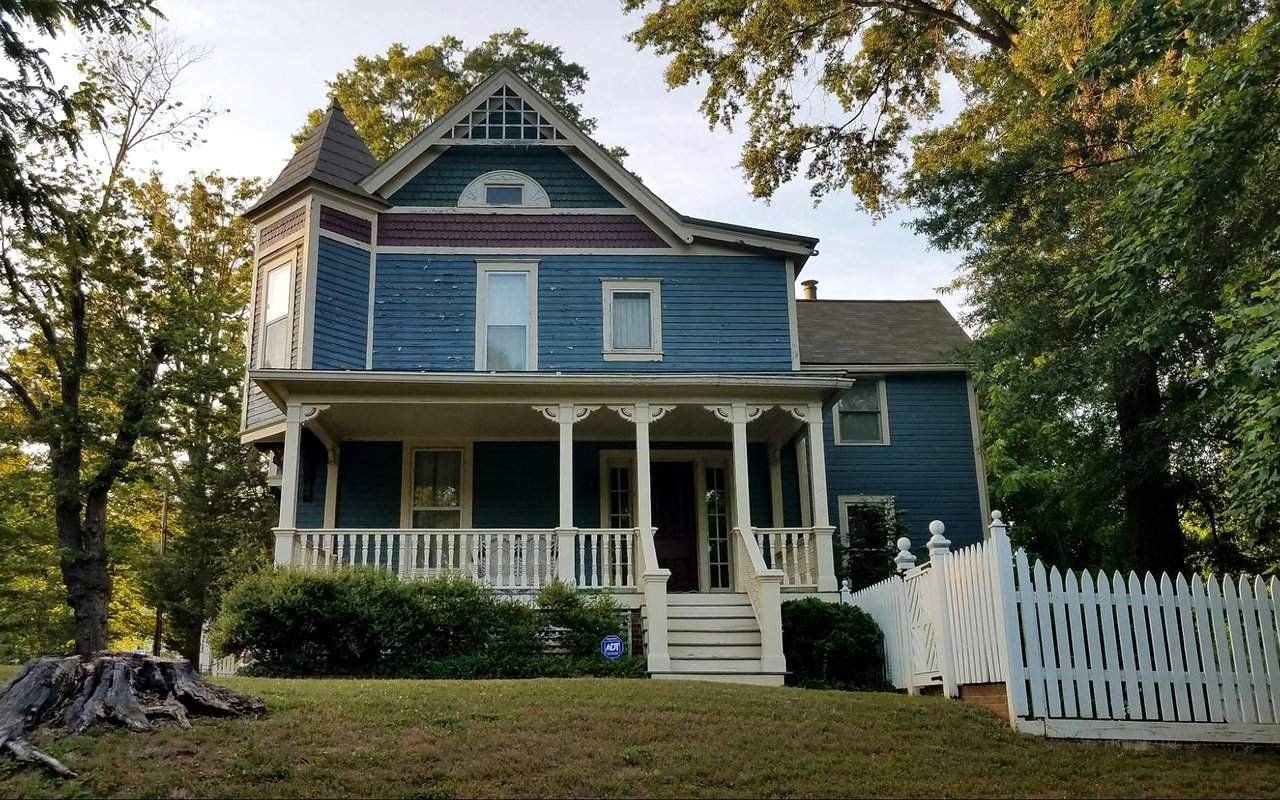
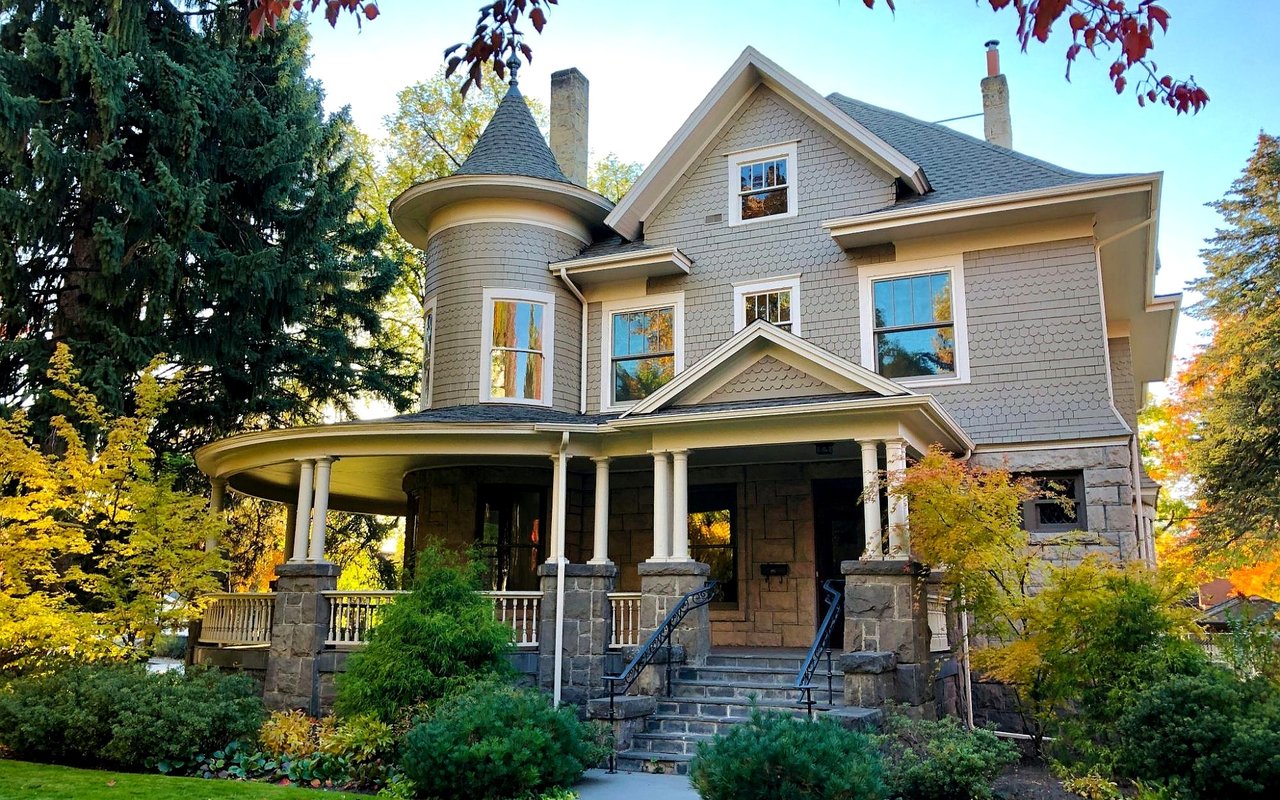
Charlottesville's in-town historic neighborhoods — Belmont, North Downtown, and the Woolen Mills area — contain the city's densest concentration of late 19th and early 20th century residential architecture. Victorian-era homes here run the stylistic range from Queen Anne cottages with decorative spindle work and wraparound porches to Italianate houses with bracketed cornices and tall, narrow windows to the simpler Folk Victorian forms common in the working-class neighborhoods of early Charlottesville.
The Craftsman bungalow arrived in Charlottesville in the early 20th century and became the dominant form in many of the city's residential blocks — low-pitched roofs with wide overhanging eaves, front porches with tapered columns, and interiors featuring built-in cabinetry and exposed structural elements that the Arts and Crafts movement celebrated. These homes are among the most sought-after in the city today, particularly in Belmont where the combination of architectural character and walkability to the restaurant scene along Avon Street and the Downtown Mall creates exceptional livability.
The Craftsman bungalow arrived in Charlottesville in the early 20th century and became the dominant form in many of the city's residential blocks — low-pitched roofs with wide overhanging eaves, front porches with tapered columns, and interiors featuring built-in cabinetry and exposed structural elements that the Arts and Crafts movement celebrated. These homes are among the most sought-after in the city today, particularly in Belmont where the combination of architectural character and walkability to the restaurant scene along Avon Street and the Downtown Mall creates exceptional livability.
Victorian and Craftsman Architecture to Explore in Charlottesville
-
Belmont — dense concentration of Craftsman bungalows, Folk Victorian cottages, and Queen Anne homes
-
North Downtown — late Victorian and early 20th century residential streetscapes
-
Woolen Mills neighborhood — historic working-class architecture along the Rivanna River corridor
-
Ridge Street and Fry's Spring — Victorian and early Colonial Revival homes in established neighborhoods
Antebellum and Federal-Period Estates: Albemarle County
Albemarle County contains some of the finest examples of antebellum and Federal-period plantation architecture in Virginia — large-scale brick manor homes with classical porticos, formal symmetry, and landscape settings that reflect the agricultural wealth of 19th-century Central Virginia. Many of these properties have been preserved through conservation easements that protect both the architecture and the surrounding pastoral landscape.
The Keswick area east of Charlottesville is particularly rich in this heritage — historic properties with original outbuildings, formal gardens, and multi-generational ownership histories sit alongside the Keswick Club's more recent luxury development. Free Union and the rural reaches toward the Blue Ridge contain working horse farms and historic farmhouses that represent a different but equally compelling expression of Virginia's agricultural past.
The Keswick area east of Charlottesville is particularly rich in this heritage — historic properties with original outbuildings, formal gardens, and multi-generational ownership histories sit alongside the Keswick Club's more recent luxury development. Free Union and the rural reaches toward the Blue Ridge contain working horse farms and historic farmhouses that represent a different but equally compelling expression of Virginia's agricultural past.
Where to Find Antebellum and Federal Architecture in Albemarle County
-
Keswick area — historic manor homes alongside the Keswick Club golf community
-
Green Springs area toward Louisa — concentration of National Historic Landmark properties
-
Rural corridors near Free Union and Batesville — historic farmhouses and antebellum estates
-
Route 231 corridor toward Madison — one of Virginia's most scenic historic byways
Contemporary Luxury and Modern Architecture
Charlottesville's contemporary luxury market has produced some genuinely distinctive modern architecture over the past two decades — homes that engage with the Blue Ridge landscape through large glass expanses, natural material palettes of stone and weathering steel, and indoor-outdoor integration that brings the mountain setting inside. Communities like Blandemar Farm Estates and the newer custom home developments in western Albemarle County have attracted architects and buyers who want contemporary design without sacrificing the pastoral setting that defines this region.
The tension between historic character and contemporary design is one of the most interesting aspects of Charlottesville's architectural landscape — and it's one that this market navigates with more sophistication than most.
The tension between historic character and contemporary design is one of the most interesting aspects of Charlottesville's architectural landscape — and it's one that this market navigates with more sophistication than most.
Frequently Asked Questions
Which Charlottesville neighborhoods have the most intact historic architecture?
Belmont and North Downtown have the highest concentration of intact late-Victorian and early 20th-century residential architecture within the city. For Federal and antebellum estate architecture, the rural roads of Albemarle County — particularly around Keswick, Free Union, and the Route 231 corridor — are the most rewarding to explore.
Do historic designations affect what we can do with a Charlottesville property?
For properties within the city's designated historic districts, exterior modifications that alter the historic character require Board of Architectural Review approval. This protects the neighborhoods' character and the value of historic properties — but it's important to understand the requirements before purchasing with renovation plans.
Are historic properties harder to finance than standard homes?
Most historic properties in Charlottesville finance conventionally without issues. Properties with significant deferred maintenance or structural concerns may require additional lender scrutiny. Specialized renovation loan products — including the FHA 203(k) — can be useful for buyers purchasing historic properties that need meaningful work.
Reach Out to Denise Ramey Real Estate Team Today
Charlottesville's architectural richness is one of the things that makes this market so distinctive — and understanding what you're looking at helps buyers make more confident decisions at every price point. We work throughout the city and Albemarle County and bring that knowledge to every client conversation.
Reach out to us at Denise Ramey Real Estate Team and let's talk about finding the right Charlottesville property for you.
Reach out to us at Denise Ramey Real Estate Team and let's talk about finding the right Charlottesville property for you.